Fight Club Eion Bailey: Unpacking Primal Responses In Modern Life
The world around us, it seems, just keeps on moving at a pretty quick pace, doesn't it? Sometimes, that feeling of constant motion, that push and pull, can really get to us. For many, the film *Fight Club* captured a raw, almost primal sense of frustration with the ordinary, a desire to break free from what felt like a quiet existence. It spoke to something deep inside, a yearning for release, and a way to truly feel alive. This film, and its lasting impact, offers a fascinating lens through which to consider how we handle pressure and the very human need for expression.
So, when we think about the concept of "fight" – not just as a physical clash, but as a deep-seated human response – it brings up a lot of things. Our bodies, they are really quite amazing, you know? They have these built-in ways of reacting when things feel overwhelming, whether it's a real danger or just a lot of stress. That's where the idea of fight, flight, or even freeze comes into play, a survival mechanism that's been with us for a very long time. It’s a bit like our internal alarm system, ready to sound off.
And then there's Eion Bailey, an actor who has often taken on roles that explore the edges of human experience, characters who are often grappling with big, intense situations. His work, in some respects, invites us to look closer at the human condition, at how people deal with pressure and what it means to push through tough times. This article will look at the enduring themes of *Fight Club* and how they connect to our basic human responses, perhaps even touching on how someone like Eion Bailey might embody or reflect these ideas through his craft, you know, as an artist.
Table of Contents
- Eion Bailey: A Glimpse at the Artist
- The Enduring Appeal of Fight Club Themes
- Understanding the Fight, Flight, Freeze Response
- Finding Calm in the Chaos: Coping Skills
- The Idea of Fair Fighting in Life
- Combat Sports and Controlled Aggression
- What Do People Often Ask About Fight Club and Eion Bailey?
- Moving Forward with Awareness
Eion Bailey: A Glimpse at the Artist
Eion Bailey, for those who appreciate compelling acting, has carved out a notable place in television and film. He has a way of portraying characters who are often complex, sometimes troubled, and always, you know, very human. His presence in a project often suggests a story with some depth, a narrative that asks us to think a little more about what's happening on screen. He has appeared in a wide range of productions, from intense dramas to more fantastical tales, showing a rather broad range of ability.
His work, arguably, often involves characters who are fighting something – whether it's an internal struggle, a difficult past, or external forces that seem to be closing in. This connection to conflict, to the idea of a character pushing against something, makes him a good fit for discussing themes that resonate with the raw energy found in something like *Fight Club*. It's almost as if his roles, in a way, let us explore the very nature of human resilience and the sometimes messy process of figuring things out.
Personal Details and Background
| Detail | Information |
|---|---|
| Full Name | Eion Francis Hamilton Bailey |
| Date of Birth | June 8, 1976 |
| Place of Birth | Santa Ynez Valley, California, USA |
| Occupation | Actor |
| Notable Roles | *Band of Brothers*, *Once Upon a Time*, *Ray Donovan*, *Stalker* |
| Education | American Academy of Dramatic Arts |
The Enduring Appeal of Fight Club Themes
*Fight Club*, the movie, has a kind of lasting grip on people, doesn't it? It came out in 1999, and here we are, many years later, still talking about its messages. The story, in its own way, looked at how some people felt about modern life, about consumerism, and about feeling a bit lost in a world that seemed to demand a lot but offer little in terms of true connection. It suggested that maybe, just maybe, there was a need to strip things back, to find something more real, even if that something was a bit rough around the edges.
The film's exploration of identity, of breaking free from expectations, and of confronting inner turmoil resonates with many. It touches on that feeling of being stuck, of living a life that isn't quite your own. The idea of a "fight club" itself, a place where people could go to just, you know, let it all out, was a powerful symbol. It wasn't just about physical fighting; it was about a release, a way to feel something intense when everything else felt numb. It's really about that primal scream we sometimes feel.
This movie, it really just keeps sparking conversations about what it means to be human in a world that often feels quite artificial. It asks us to look at our own lives, at what we value, and at what we might be fighting for, or against. The themes are, in a way, timeless, speaking to a shared human experience of seeking purpose and authenticity, which is a big deal for a lot of people.
Understanding the Fight, Flight, Freeze Response
Our bodies have a truly remarkable system for handling danger, or what they perceive as danger. It's called the sympathetic nervous system, and when it gets activated, we enter what's often called the "fight, flight, or freeze" state. This is a very old, very basic survival tool, something our ancestors relied on when faced with, say, a wild animal. Your heart might pound, your breath might quicken, and your muscles get ready for action. It's a quick, automatic way to protect yourself, and it just happens.
This response, you see, is initiated by a part of our brain called the amygdala, which is located in the limbic region. It's a bit like the brain's alarm bell. When it rings, it doesn't really stop to ask questions; it just reacts. So, when we feel intense pressure, or panic, our body can get stuck in this high-alert mode, even if there's no actual physical threat. It’s a very powerful system, and it sometimes overreacts to things that aren't truly life-threatening, like a really stressful deadline at work.
Recognizing when your body is in this state is a really important first step. It’s about becoming aware of how your nervous system calls the shots in your body. When you notice those signs – the racing heart, the tense muscles, the feeling of being overwhelmed – that's your body telling you it's in a state of high alert. Understanding this fundamental aspect of our biology is, in some respects, key to managing stress and feeling more in control, which is quite helpful for anyone.
Finding Calm in the Chaos: Coping Skills
When our body is caught in that fight, flight, or freeze mode, it can feel like everything is spinning out of control. That's why having some coping skills ready to go is so important. These are just simple ways to help calm your body and mind, to bring yourself back to a more balanced state. It’s about gently guiding your nervous system out of that panic response. Things like deep breathing, or focusing on your senses, can make a real difference, you know, very quickly.
One way to think about it is that you're giving your body a different message. Instead of "danger!", you're saying "it's okay, you're safe." Practicing these skills regularly, even when you're not in a state of panic, can make them much more effective when you really need them. It's like building a muscle; the more you use it, the stronger it gets. This can involve simple exercises that help you ground yourself in the present moment, which is a good thing for anyone.
For example, some people find that just taking a few slow, deep breaths helps to quiet their racing thoughts. Others might focus on the feeling of their feet on the ground, or the sound of birds outside. These small actions, arguably, can interrupt the panic cycle and help your body remember how to relax. It's about finding what works for you to bring a bit of peace back into your system, especially when things feel a bit much. Learn more about on our site, and link to this page .
The Idea of Fair Fighting in Life
When we talk about "fighting," it doesn't always mean throwing punches. Sometimes, it's about disagreements, arguments, or standing up for what you believe in. And just like in any kind of interaction, there are ways to do it that are more helpful than others. To fight fairly, in a discussion or a disagreement, means following some basic guidelines that help keep things from becoming destructive. It's about making sure the disagreement doesn't just get stuck, or worse, cause real damage to a relationship.
This can be a bit difficult, especially when you feel very strongly that the other person is, you know, wrong. But the goal of fair fighting isn't to "win" in the traditional sense; it's to communicate effectively and to find a way forward. It involves listening, expressing your own thoughts clearly, and trying to understand the other person's point of view, even if you don't agree with it. It's about respecting the process, even when things are tense, which is a good skill to have.
Thich Nhat Hanh, a very wise teacher, offered a compassionate guide to freeing ourselves from the chains of anger and attachment through mindfulness. This approach, you see, offers a different kind of "fighting" – one that is about finding inner peace and understanding, rather than outer conflict. It's about fighting for clarity and compassion, which is a rather powerful way to approach any kind of struggle, whether it's with another person or within yourself. It's a very different kind of battle, really.
Combat Sports and Controlled Aggression
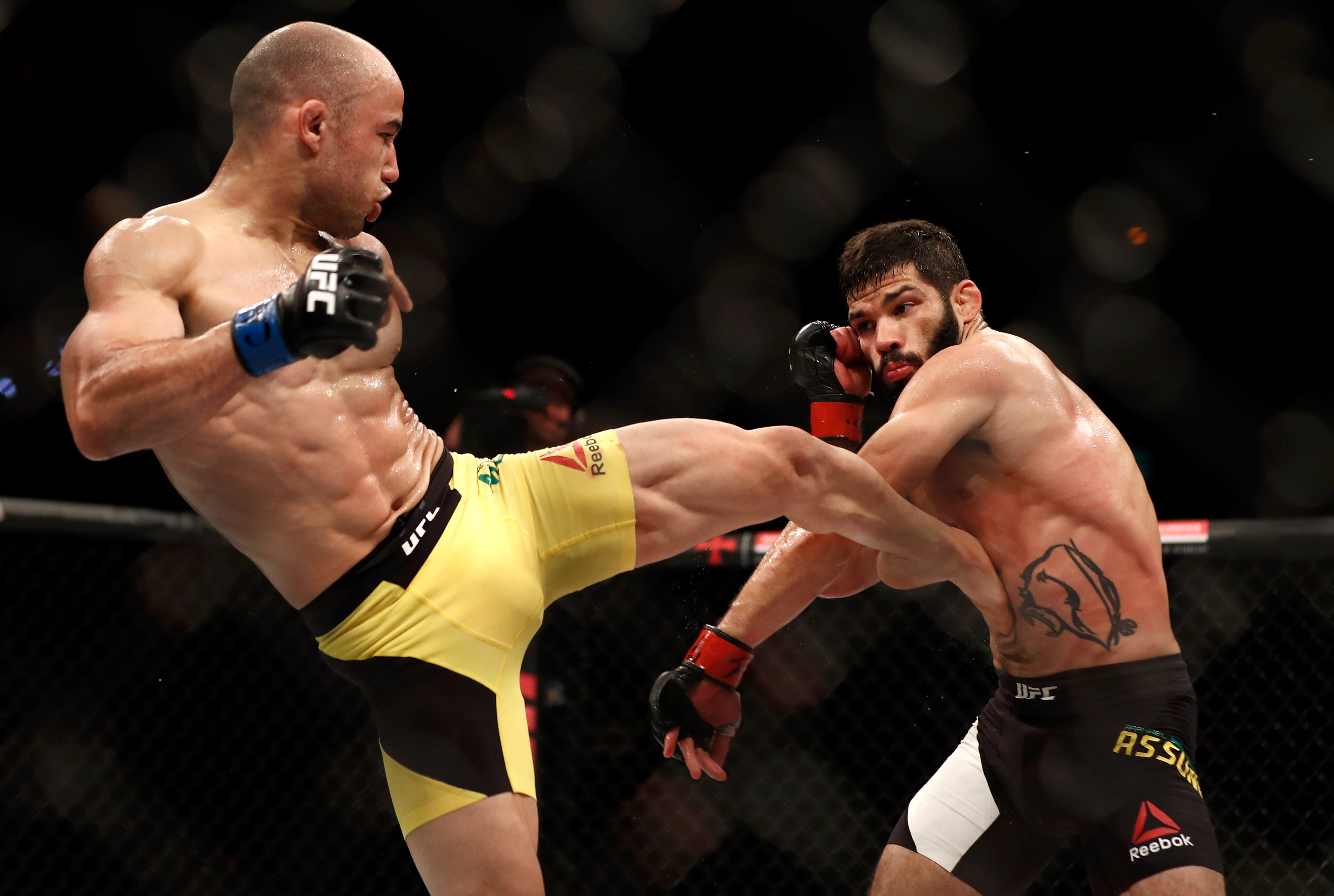
When we think about fighting in a physical sense, there's a huge difference between uncontrolled aggression and the structured world of combat sports. Organizations like the Ultimate Fighting Championship (UFC) have taken what is, at its core, a primal act – physical combat – and turned it into a highly regulated, professional sport. Over the past decade, with the help of state athletic commissions, UFC has grown into a leading mixed martial arts organization. This is a very interesting contrast to the raw, almost chaotic nature portrayed in *Fight Club*.
In combat sports, there are rules, referees, and medical personnel, all designed to ensure a level of safety and fairness. Fighters train for years, honing their skills, strength, and mental toughness. It's about discipline, strategy, and pushing your body to its limits within a defined set of boundaries. This is, in some respects, a way to channel that natural human drive for competition and physical expression into something constructive, something that is watched by millions, actually.
Watching events from Lethwei to MMA, whether streaming on ESPN or ESPN+, you get to see athletes who are masters of their craft. They engage in a contest, a struggle, but it's done with a purpose and within a framework. This kind of "fight" is about striving to overcome an opponent by blows, yes, but it's also about respect and the pursuit of excellence. It shows how even the most aggressive human actions can be managed and even celebrated, which is a pretty cool thing to see.
What Do People Often Ask About Fight Club and Eion Bailey?
It's natural for people to have questions when a keyword like "fight club eion bailey" comes up, blending a famous movie with a specific actor. Here are some things people often wonder about, you know, when they think about these connections:
1. Was Eion Bailey in the movie *Fight Club*?
No, Eion Bailey was not a cast member in the 1999 film *Fight Club*. The movie featured actors like Edward Norton, Brad Pitt, and Helena Bonham Carter in its main roles. His work, however, often explores themes of conflict and human struggle, which might be why his name gets linked to the film's concepts in some people's minds, perhaps.
2. What are the main themes of *Fight Club*?
The film *Fight Club* looks at a lot of big ideas. It explores consumerism, masculinity, mental health, and the feeling of being alienated in modern society. It's about finding a sense of identity and purpose when everything feels meaningless. The movie really just digs into the idea of breaking free from societal norms and expectations, which is a very strong message.
3. How does the "fight, flight, freeze" response relate to the movie *Fight Club*?
The "fight, flight, freeze" response is a basic human survival mechanism, a way our bodies react to perceived threats. In *Fight Club*, the characters, especially the Narrator, are in a constant state of internal conflict and stress. Their actions, including forming the fight club, can be seen as a desperate attempt to engage their "fight" response, to feel alive and in control, rather than being stuck in a "freeze" state of apathy or "flight" from their problems. It’s a very raw expression of that primal urge, really.
Moving Forward with Awareness
The concepts we've touched upon, from the raw energy of *Fight Club* to the very real biological responses of fight, flight, and freeze, are all part of the human experience. Understanding these aspects of ourselves can give us a bit more control, a bit more peace, in a world that can sometimes feel overwhelming. It's about recognizing our internal signals and choosing how we respond, rather than just reacting automatically. This kind of awareness, you see, is a powerful tool for anyone.
Whether it's through the powerful storytelling we see in film, or the quiet practice of mindfulness, there are many ways to approach the idea of "fighting" – not as something destructive, but as a way to contend with challenges, to strive for understanding, and to grow. It’s about finding healthy outlets for our natural impulses and learning to navigate the complexities of life with a bit more grace. This is a journey that everyone takes, in their own way, and it's a very personal one, too it's almost.
Night For The Fight 2025 - Ian Lyman
:format(png)/f/115220/2400x990/9c0a3fa08c/your-ultimate-guide-to-understanding-fight-night.png)
Understanding Boxing & MMA Fight Nights | FightCamp

Vegas Fight Tour | MMA and Boxing Tour in Las Vegas
